Complete EAM & Fixed Asset Lifecycle Control

GoodBooks Asset Management — Streamline and Optimize Your Asset Lifecycle

GoodBooks Asset Management unifies Enterprise Asset Management (EAM) and Fixed Asset Management (FAM) within one ERP platform. Track physical and intangible assets, automate preventive maintenance, calculate depreciation accurately, and maintain full audit compliance from procurement to disposal.

ERP-Integrated EAM & FAM
Automated Depreciation & GL
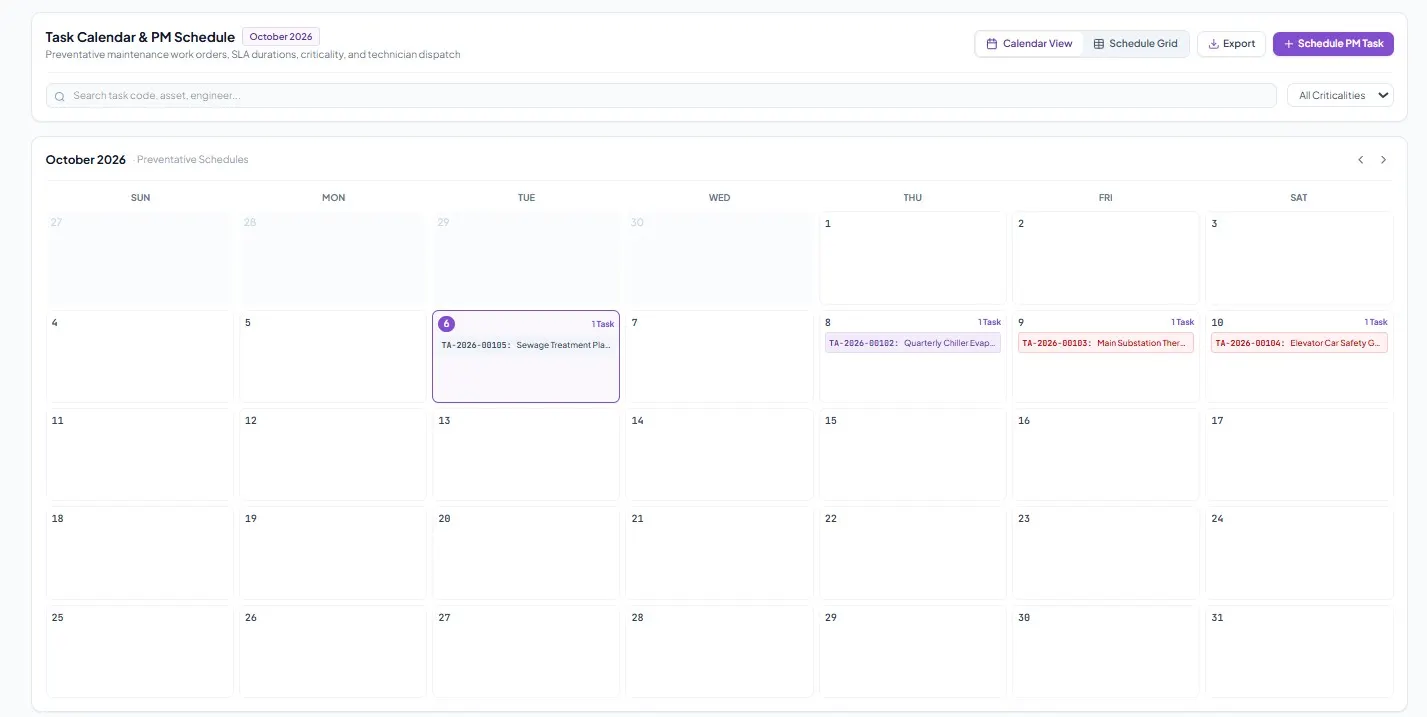
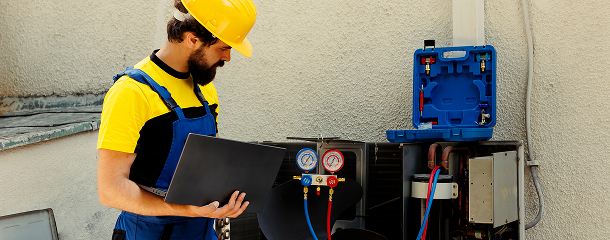
Preventive Maintenance & QR Tracking
goodbookserp.com/asset/dashboard
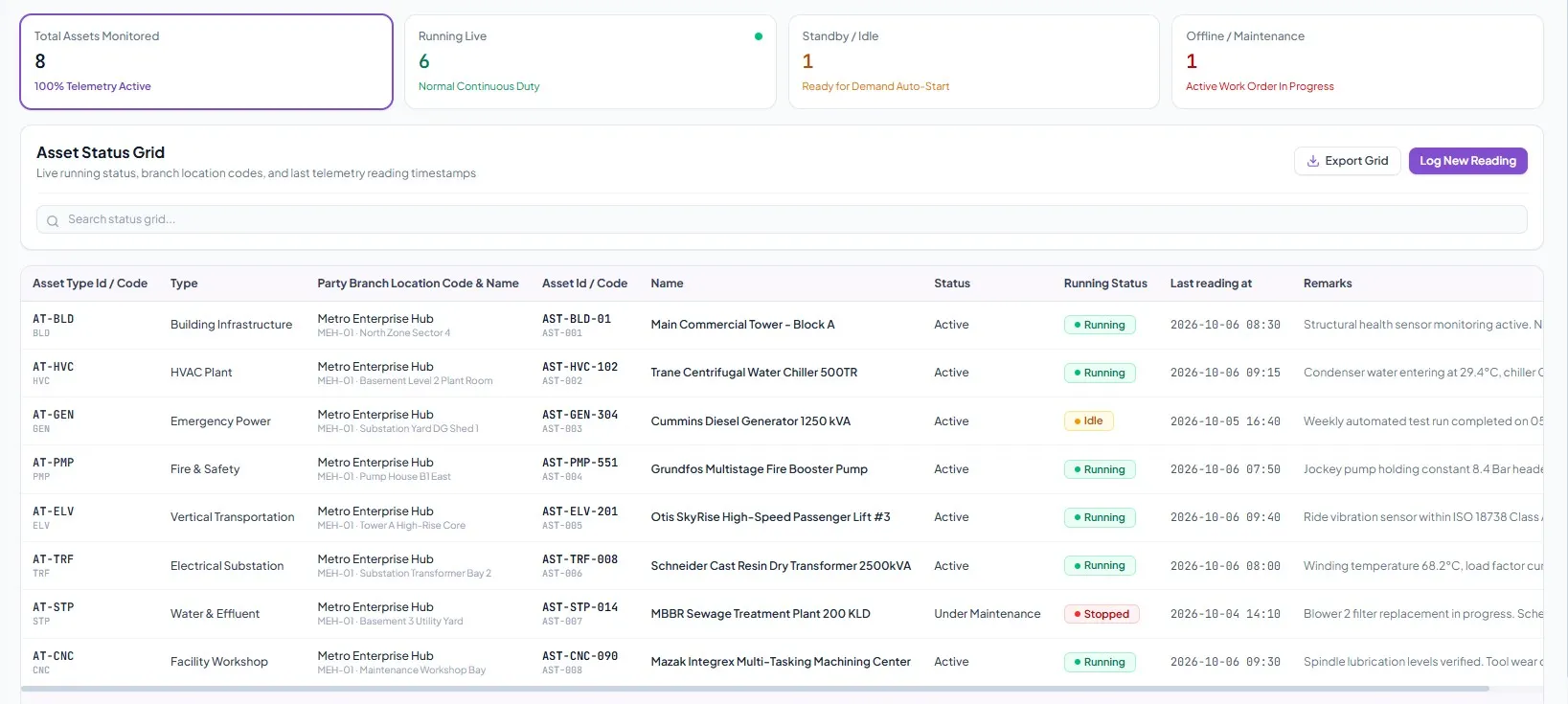
GoodBooks Asset Management Operations Dashboard
Lifecycle & Uptime Preventive Maintenance & Work Orders
Auto Depreciation SLM, WDV & Audit-Ready Trails
GoodBooks Asset Management

From Asset Acquisition to Disposal with GoodBooks Asset Management

Comprehensive Asset Lifecycle

What is GoodBooks Asset Management software?

GoodBooks Asset Management is a crucial operational and financial module that involves tracking, maintaining, and optimizing the utilization of assets throughout their lifecycle. It covers physical assets such as equipment, machinery, vehicles, and facilities, as well as intangible assets like patents, licenses, and software.

  • Tracks physical machinery, vehicles, IT hardware, and intangible licenses
  • Manages every lifecycle stage from procurement and deployment to disposal
  • Integrates directly with GoodBooks Finance and Inventory modules

What is GoodBooks Asset Management software?
Visibility & Utilization

Asset Tracking, Reservation & Allocation

Efficiently track all assets across your organization using unique identifiers, barcodes, QR codes, or serial numbers. Enable employees to reserve assets for projects or activities and allocate resources based on real-time availability and priority.

  • Unique asset tagging with barcode, QR code, and serial number scanning
  • Priority-based asset reservation and allocation across departments and sites
  • Complete custodian assignment, transfer history, and mobile field updates
Asset Tracking, Reservation and Allocation
Measurable Asset Impact

Benefits of GoodBooks Asset Management

Maximize asset utilization, minimize unplanned downtime, streamline vendor procurement, and gain complete financial clarity across every asset class.

360° End-to-End Lifecycle Visibility
Zero Manual Depreciation Errors
Real-Time Maintenance & Stock Sync
100% ERP Finance & Audit Ready
Asset ROI & Uptime

Utilization & Uptime

Improved Asset Utilization

Maximize the utilization of assets across your organization by efficiently tracking and managing their lifecycle to extract maximum value from investments.

Reduced Downtime

Proactively schedule preventive maintenance tasks and track asset health to identify issues before they escalate into costly operational disruptions.

Maintenance & Vendors

Operations & Procurement

Optimized Maintenance Processes

Streamline maintenance workflows and improve operational efficiency by automating work order generation, task assignment, and priority tracking.

Improved Vendor Management

Strengthen relationships with asset vendors and suppliers through streamlined procurement processes, warranty tracking, and performance evaluation.

Finance & Governance

Financial Planning & Control

Better Financial Planning

Gain visibility into asset value, automated depreciation, and expenses through native integration with financial modules to guide replacements and retirements.

Audit-Ready Compliance

Maintain comprehensive audit trails for revaluations, calibrations, inspections, and disposals to meet statutory and internal governance standards.

Overcoming Critical Asset Hurdles

Challenges GoodBooks Asset Management module can solve

Eliminate error-prone spreadsheets, prevent asset underutilization or unplanned breakdowns, and unlock real-time financial and operational analytics.

Manual and Inefficient Processes

Traditional asset management and depreciation sheets are time-consuming and prone to errors. GoodBooks automates workflows from procurement and preventive maintenance to depreciation and disposal.

Ineffective Resource Allocation

Without proper asset tracking, businesses struggle with underutilization or overutilization. Gain real-time visibility into locations, custodians, and utilization rates to maximize ROI.

Lack of Data-Driven Insights

Replace fragmented records with customizable dashboards and reports offering actionable insights into asset valuations, depreciation schedules, maintenance costs, and compliance readiness.

Clear Answers

Frequently Asked Questions

Get direct clarity on asset categorization, ease of use, automated depreciation calculations, preventive maintenance, and mobile tracking.

Yes, our ERP solution allows users to categorize assets based on customizable attributes such as type, department, location, or project. Additionally, assets can be grouped into logical hierarchies, simplifying reporting and analysis across different organizational levels.

Our Asset Management module features an intuitive user interface designed for ease of use, even for non-technical users. With configurable dashboards, role-based access controls, and contextual help guides, users can quickly navigate the system and perform tasks with minimal training.

Yes, our ERP solution automates depreciation calculations based on various methods such as straight-line, written-down value (declining balance), and units of production with automatic journal postings to ensure compliance with accounting standards.

Yes. You can schedule recurring preventive maintenance tasks, track warranties, configure condition-based alerts, and automatically generate and assign work orders based on asset criticality.

Absolutely. Field teams and auditors can scan barcodes, QR codes, or serial numbers via mobile devices to verify asset locations, log breakdowns, submit inspection results, and receive maintenance alerts on the go.

Yes. You can link spare parts and accessories to parent assets, perform periodic asset revaluations with approval trails, and track transfers across branches or custodians with complete audit documentation.